
Security Smarthome31 October 20223 min read
Is smart technology a threat to your children's safety?
Baby Monitor Hacked - The Rise of Smart Devices and the Risks of Smart Tech.
Would you install a device in your bedroom that would listen to you, record your voice and send that data to remote servers?
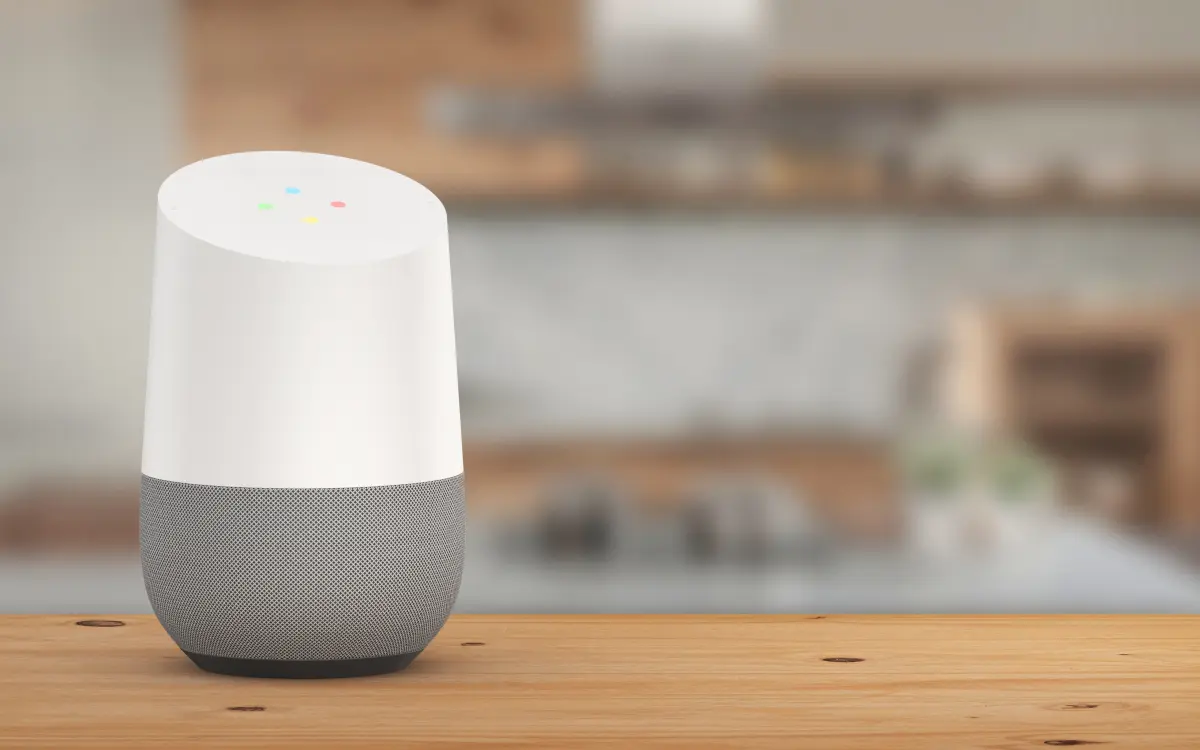
Hundreds of millions of people have already done so. Amazon Echo, Google Home, Apple HomePod and other smart speakers are mainstream products today and have grown in popularity over the years.
Now a follow-up question: would you place a device that listens, records, and sends data to remote servers in your child's bedroom?
We accept certain risks that come with living in the information age. We know that our footprints on social media are immortal, that our devices can record us, and that companies collect and trade our personal information. However, these risks are not necessarily suitable for children. As smart technology becomes more integrated into the home, we must address the privacy and security concerns affecting those too young to fend for themselves.
The rise of smart devices
The "Internet of Things" ("IoT" for short) - our universe of connected devices that collect data and communicate with each other at any time of the day - may sound big and intimidating. But the basic function of every connected device is the same: it takes input data and turns it into an output that helps you in your life. Almost any household item can be transformed with this simple formula. From thermometers to clocks and refrigerators to coffee machines, there is hardly anything in life that cannot be automated and connected. Intelligent vacuum cleaners can clean the living room without human intervention. Smart TVs help us sit on the couch when the remote control is just out of reach. If you've ever toasted bread and thought, "Man, that's exhausting!" then our modern world has just the solution you've been waiting for.
The goal of intelligent home technology is not to attract attention, but to integrate seamlessly into your daily life. According to a staffer at Internet Matters - a UK-based charity working to keep children safe online - this convenience may impact children differently than it does adults: "Rather than just being consumed on screen, it's stretching now to physical products and associated devices that send and receive data for fun and learning - the Internet of Things. It means children don't see a sharp dividing line between the online virtual world and the physical world around them."
Smart home appliances can seem extremely remarkable to us. To a child who's only known for talking computers, lights that dim themselves, and vacuum cleaners that seem to have a mind of their own, intelligent technology can seem as ordinary as any piece of furniture lying around. In fact, IoT devices can be made so harmless that children can't see them.
In 2013, a Croatian company based in London started developing a new type of teddy bear. Even more, they came up with a new idea how to monitor children's health. Monitoring the vital signs of small children is not entirely unproblematic. All concerned parents know the urge to always be up to date. It's not enough to see a doctor occasionally, every little problem, imagined or real, needs to be investigated. Even if you make it to the doctor's office, it can be an imperfect testing environment. If your child is anxious around the doctor (and who can blame them - it's the place where injections are given), the test results could be skewed. evices & the risks of smart technology.